
1:1 Integrative Therapy
I work with clients who want therapy that goes deeper than analysing thoughts or talking about problems.
My approach supports people who feel stuck repeating the same patterns, carrying stress in the body, or caught in cycles of internal conflict they can't seem to resolve.
This is therapy that honours how complex human experience really is, on mental, emotional, physical, imaginal, and spiritual levels.
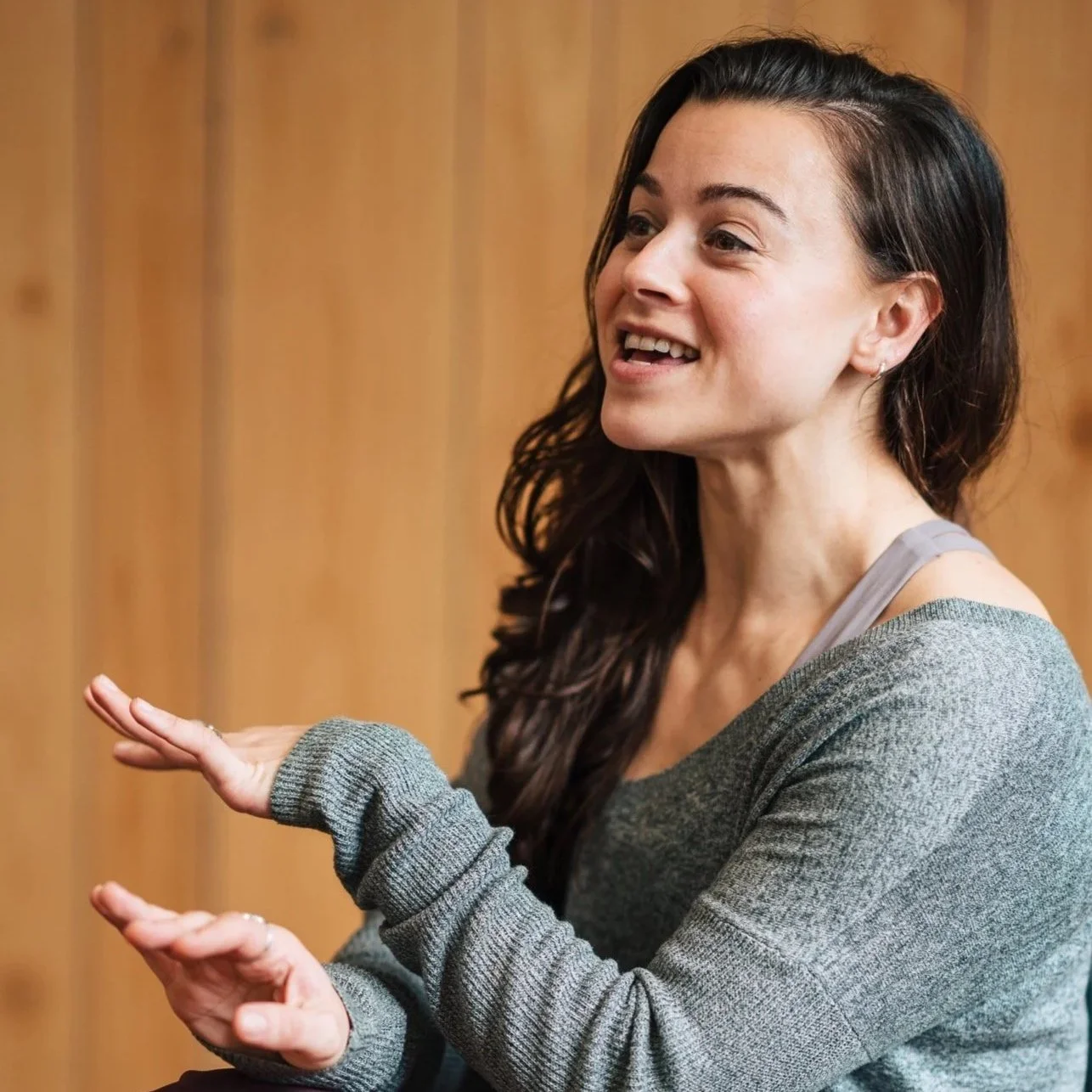
A Holistic, Whole-Person Approach
My work is integrative and fluid, drawing from somatic psychology, yoga therapy, parts work, nervous system regulation, creative therapeutic practices, subconscious exploration, and traditional psychotherapy + spiritual frameworks.
This means we can work with:
what you feel
what you think
what your body holds
what your breath and nervous system carry
what your subconscious expresses
the different parts of you — each with their own feelings, needs, and protective roles
what you imagine
what emerges symbolically or spiritually
what you long for and what you fear
We follow what's alive and meaningful for you.
Somatic Therapy: Working with the Body & Nervous System
Somatic work is woven throughout the therapeutic process, rather than as an isolated technique. We might track sensations, explore body-held patterns, or create more space in your internal experience. This helps you shift what talking alone often can't reach.
This includes somatic therapy approaches, working directly with body sensation and nervous system responses to support the kind of change that talk therapy alone often can't reach.

Parts Work: Working with All of You
Many of us have experienced the frustration of feeling torn — one part wanting to change, another resisting; one part striving, another exhausted; one part longing for connection, another protecting against it.
Parts-based therapy works with this internal complexity rather than against it. Instead of trying to silence or override difficult feelings, we approach each part of you with curiosity and compassion, understanding that even the most frustrating patterns are usually a form of protection.
Drawing on Internal Family Systems (IFS) principles and other parts-based frameworks, we explore your inner world to understand what each part is carrying, what it needs, and how your whole system can begin to work more harmoniously.
This approach is particularly helpful for:
feeling internally conflicted or "at war with yourself"
self-criticism, perfectionism, and inner critic patterns
people-pleasing and difficulty with boundaries
patterns that return no matter how much insight you have
trauma held in specific parts of the self

Yoga Therapy: Breath, Embodiment & Energy
Drawing on my training in yoga therapy and embodied yoga practices, we can bring breathwork, embodied awareness, and the intelligence of the body-mind relationship into our sessions. This isn't yoga as exercise — it's yoga as a living framework for working with psyche, soma, and spiritual development.
This includes working with energetic patterns and blocks that traditional therapy often has no language for — the places where something feels stuck, heavy, or unresolved, but can't quite be reached through thought or talk alone. No particular belief system is needed to work in these ways; we follow your own experience and what feels true for you.
Together this may support:
feel disconnected from your body or a sense of self
carry tension, anxiety, or stress physically
sense energetic or emotional blocks you can't explain or think your way through
want to develop a more regulated, grounded nervous system
are drawn to integrating mind-body, somatic, or contemplative approaches into your healing

Creative Therapy: Accessing the Subconscious
Many clients feel things they can’t yet articulate.
Instead of forcing words, we use:
imagery and metaphor
guided visualisation
spontaneous drawing, artwork, vocalisation or movement
symbolic and sensory exploration
hypnotic / meditative states
These approaches are pathways to the parts of you that store unprocessed emotion, protective patterns, and deeper needs. This is where profound shifts happen.

Spiritual & Existential Therapy: Including the Soul’s Dimension
For many people, the deepest wounds are spiritual ones — and they’re missed entirely in cognitive or behavioural approaches. A loss of meaning, a collapse of identity, a sense of disconnection from something larger than yourself: these aren’t symptoms to be managed. They’re invitations to go deeper.
Some clients come having experienced what might be called a “dark night of the soul” — a period where everything that once gave life meaning seems to dissolve, and no amount of thinking or reframing brings relief. This kind of existential crisis is not depression, though it can look similar. It’s a profound unravelling, and it calls for a different kind of support.
In my experience, developing a relationship with the spiritual dimension — whatever that means for you — is often the keystone of real healing. It’s where hope is found, where strength is anchored, and where both acceptance and forward momentum become possible in a way that purely psychological work can’t always reach.

This might resonate if you are:
experiencing a dark night of the soul or a spiritual crisis
feeling a deep loss of meaning, purpose, or direction
going through a spiritual awakening that feels overwhelming or destabilising
questioning long-held beliefs or a sense of identity
feeling spiritually lost, disconnected, or empty
navigating existential questions that therapy hasn’t touched
No particular belief system is required. We work with your own experience, your own sense of meaning, and whatever feels true for you — whether that’s rooted in spirituality, nature, philosophy, or simply a felt sense of something beyond the surface of things.
Therapy for Anxiety, Trauma, Burnout & Relationship Patterns
I support clients with a wide range of experiences, including:
anxiety, stress & emotional dysregulation
trauma, complex trauma & chronic patterns
relationship issues & attachment wounds
identity, self-worth & confidence
burnout, exhaustion & nervous system overwhelm
perfectionism, people-pleasing & inner critic patterns
feeling internally conflicted, fragmented, or “at war with yourself”
feeling disconnected, numb or “not yourself”
creative blocks & purpose questions
If you’ve previously tried counselling or CBT and felt something was missing, this way of working may be what you’ve been looking for.

Online Therapy + In-Person Therapy in Surbiton
I see clients online or at my therapy space in Surbiton, a 10-min walk from Surbiton station, on the outskirts of Berrylands, and close to Tolworth.
If you feel ready to explore whether this approach to therapy might help you, enquire through the link below and we can set up a free 20-min consultation.